

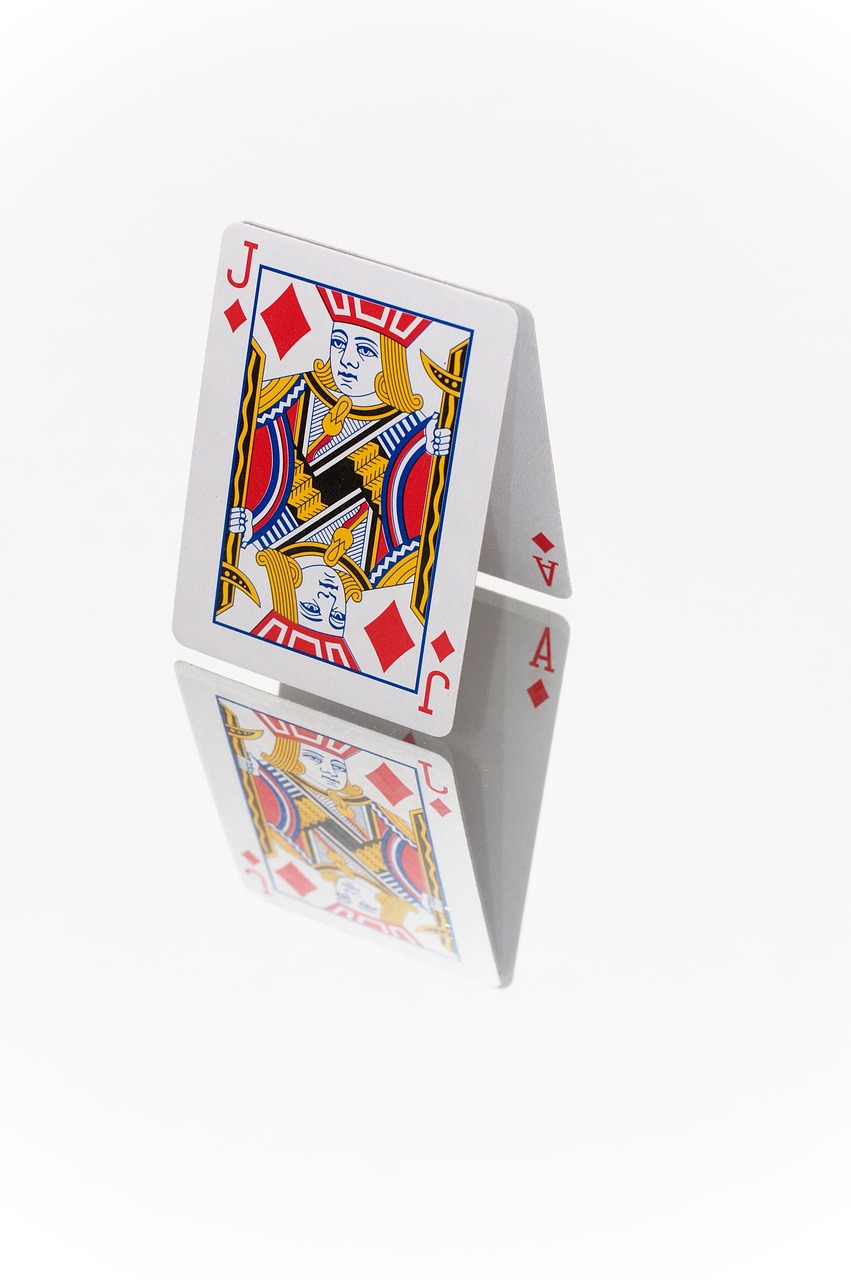
There's a moment every gambler experiences, usually around 2 a.m., when the math stops feeling like math. You've lost six hands of blackjack in a row, and some part of your brain insists the seventh must be a winner. It isn't. The house edge doesn't care about your feelings, your "gut instinct," or the fact that you're due for a break. Understanding that reality—and learning to work with it instead of against it—is what separates people who enjoy iGaming for years from people who blow their rent money in a weekend and swear off gambling forever.
This isn't a lecture. It's a field guide. Whether you're spinning slots, grinding poker tables, or placing football bets, the fundamentals are the same, and most people never bother to learn them.
The House Edge Is Not a Suggestion
Every casino game carries a built-in advantage for the operator. That's not corruption; it's how the business stays open. What varies dramatically is how big that edge is, and that variance matters more than luck over time.
- Blackjack (basic strategy): roughly 0.5% house edge
- Baccarat (banker bet): about 1.06%
- European roulette: 2.7%
- American roulette: 5.26% (that extra zero hurts)
- Slots: typically 2% to 10%, sometimes worse on progressive jackpots
- Keno: often 25% or higher
See the pattern? If you're playing American roulette instead of European, you're voluntarily doubling your expected losses. If you're playing keno, you're basically donating. Smart players gravitate toward games where their money lasts longer, because longevity equals entertainment value.
Slots: It's Not About Hot or Cold
Slot machines use random number generators that produce millions of outcomes per second. There is no memory. A machine that just paid out a jackpot is no more or less likely to pay again than one that's been silent for hours. The "hot machine" myth is one of the most expensive beliefs in gaming. There is a useful overview at XOCDIA88.
What actually matters with slots:
- RTP (Return to Player): A 96% RTP slot returns 96 cents per dollar wagered over millions of spins. A 92% slot returns 92. That 4% gap is massive over hundreds of spins.
- Volatility: High-volatility slots pay rarely but big. Low-volatility slots pay often but small. Match this to your bankroll, not your mood.
- Bet sizing: If a single max bet would wipe out half your balance, it's the wrong bet size—no matter how tempting the bonus round looks.
A practical rule: pick a per-spin bet that's no more than 1% of your total session bankroll. Fifty dollars in your account? Play 50-cent spins. Boring? Maybe. But you'll get 100 spins instead of five.
Poker Is the One Game You Can Actually Beat
Unlike slots or roulette, poker is played against other people, not the house. The casino takes a rake—usually 5% to 10% of each pot, capped—but the money you win comes from your opponents' mistakes. This means skill matters enormously over the long run.
The players who consistently win at poker do a few things well:
- They play tight from early positions and loosen up in late positions.
- They understand pot odds and implied odds, not just hand strength.
- They watch opponents instead of their phones.
- They fold marginal hands. Constantly.
The single biggest leak for beginners is playing too many hands. If you're seeing 60% of flops, you're burning money. Serious players often see 20% or less. Tighten up before you try to get fancy.
Bankroll Management: The Unsexy Superpower
Ask any professional gambler what keeps them in business and they'll mention bankroll management before skill. Here's the framework most use: Before making a choice, it helps to review XOCDIA 88.
- Separate gambling money from life money. Completely. Different account, different wallet, no exceptions.
- Set a session stop-loss (e.g., 50% of your session budget) and a win goal. Walk when you hit either.
- Never chase losses with money you can't afford to lose.
- Track your results. If you don't know your win/loss over the last 100 sessions, you don't actually know if you're winning.
Free spreadsheet, notes app, whatever works. The data will humble you fast. Most casual players are down significantly and don't realize it because they only remember the wins.
Bonuses and Promotions: Read the Fine Print
Deposit bonuses sound generous until you hit the wagering requirements. A 100% match bonus with a 40x rollover means if you deposit $100 and get $100 bonus, you must wager $4,000 before withdrawing anything. On slots at 96% RTP, the expected loss on that $4,000 is roughly $160. So the "free" $100 bonus is typically worth less than zero unless you're a disciplined grinder who would've played anyway.
What to actually look for in promotions:
- Wagering requirement below 30x is decent; below 20x is good.
- Contribution rates—slots usually count 100%, table games often 10% or less, and some games don't count at all.
- Maximum bet limits while clearing the bonus. Violate them and you can lose the whole bonus.
- Time limits. Two weeks is tight; 30+ days is reasonable.
Free spins and no-deposit bonuses are usually better value than match bonuses if the terms are tight.
Know When to Stop—And Mean It
The math of gambling ensures that everyone eventually loses money over enough time, with the rare exception of skilled poker players and advantage bettors. The goal isn't to beat the house permanently; it's to extract maximum entertainment per dollar and avoid the disasters that ruin lives.
Set limits before you start, using whatever tools your platform offers. Many regulated operators let you set deposit limits, loss limits, session timers, and cooling-off periods. Use them. The version of you at midnight with a losing streak is not the version who should be making decisions. Treat gambling like you'd treat a night out—budgeted, time-limited, and enjoyable. If it stops being fun, that's the signal to walk, not to double down.
Master the odds, respect the math, play the games where skill gives you an edge, and let the house keep its predictable little slice. That's how you stay in the game without the game staying in you.


Coding is used in almost all aspects of life and work now, be it directly or indirectly. It’s not just for companies in the tech sector. “An increasing number of businesses rely on computer code,
Coding is used in almost all aspects of life and work now, be it directly or indirectly. It’s not just for companies in the tech sector. “An increasing number of businesses rely on computer code,
Coding is used in almost all aspects of life and work now, be it directly or indirectly. It’s not just for companies in the tech sector. “An increasing number of businesses rely on computer code,