

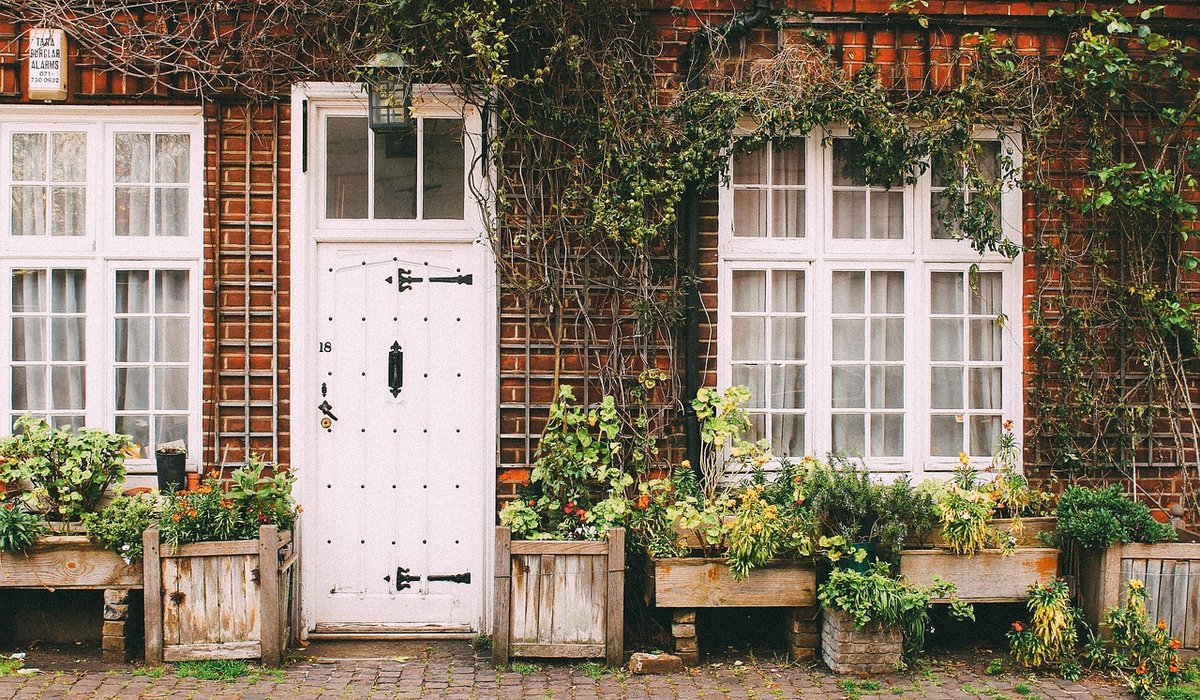
Why Summer Watering Feels Like a Chore
By mid-July, most of us have settled into a familiar evening ritual: hauling the watering can around the garden while the midges circle and the hose kinks for the fifth time. It's not that we mind watering — it's that we're doing it inefficiently. Most gardens aren't laid out with dry spells in mind, so we end up trekking between a thirsty courgette at one end and a lavender that would rather be left alone at the other.
The good news is that a sensible summer routine doesn't demand hours of your time. It demands a bit of planning now, so that watering becomes a ten-minute job rather than a forty-minute slog. The two biggest wins are simple: group plants by how much they drink, and let containers water themselves for a few days at a time.
Group Thirsty Plants Together
Watering is far quicker when everything in one spot has the same needs. If you've scattered fuchsias, tomatoes and hostas randomly around the borders, you're watering the whole garden to reach them. Instead, create "thirsty zones" — areas where the moisture-lovers live side by side, so one watering can session covers the lot.
Think about which plants genuinely need your help. Newly planted shrubs, vegetables in full crop, hanging baskets and anything in a pot are the real drinkers. Established trees, Mediterranean herbs, lavender, rosemary, sedums and most ornamental grasses are far tougher than we give them credit for.
- High demand: tomatoes, courgettes, runner beans, cucumbers, dahlias, fuchsias, hydrangeas, hostas, leafy salads.
- Moderate demand: most perennials, roses, sweet peas, soft fruit bushes in their first year.
- Low demand: lavender, thyme, rosemary, sedum, euphorbia, hebe, established trees and hedging.
Once your beds are zoned this way, you can water the thirsty group daily in hot weather and leave the rest to fend largely for themselves. You'll also spot problems faster — wilting in the thirsty zone is a signal, whereas a drooping thyme is usually just doing its job.
Make Every Drop Count
Watering little and often is the classic summer mistake. A quick splash wets the surface, encourages shallow roots and evaporates within an hour. A proper soak — enough to reach 15–20cm down — encourages roots to grow deeper and buys you several days of grace.
There are a few easy habits that make each watering go further:
- Water in the early morning or evening, never in blazing midday sun. Morning is slightly better, as foliage dries before night and slugs are less of a nuisance.
- Aim at the soil, not the leaves. A rose on the can is fine for baskets, but at ground level a direct pour gets more to the roots.
- Mulch everything you can. A 5cm layer of bark, compost or gravel over damp soil cuts evaporation dramatically and suppresses weeds at the same time.
- Sink a pot beside thirsty plants. A buried flowerpot or a plastic bottle with pinprick holes delivers water slowly, straight to the root zone.
- Loosen compacted soil with a fork in spring so water soaks in rather than running off.
If you have a water butt, use it. Rainwater is free, lukewarm and better for plants than cold tap water, particularly for ericaceous shrubs and anything in containers.
Self-Watering Containers: The Busy Gardener's Best Friend
Containers dry out fastest and need the most attention, which is exactly why self-watering pots are worth the investment. They work on a simple principle: a reservoir sits below the compost, and water is drawn upwards by capillary action through a wick or a perforated platform. You fill the reservoir every few days instead of watering daily.
You can buy them in every size, from window-box style troughs to large planters for tomatoes and small trees. Or make your own with a lidded storage box, a length of plastic pipe as a filling tube and a perforated inner tray. Either way, the routine becomes beautifully simple: top up the reservoir, check it every couple of days in a heatwave, and ignore everything else.
A few tips to make them work properly:
- Use a good peat-free potting compost with added water-retaining granules — not garden soil, which compacts and clogs the works.
- Keep the reservoir topped up, but don't drown the roots. In very wet spells, drain the excess.
- Feed fortnightly with a liquid tomato feed, as compost nutrients wash through quickly in containers.
- Site them in groups so one filling session covers several pots.
A Ten-Minute Summer Routine
Once your garden is zoned and your containers are self-watering, the daily job shrinks dramatically. Here's a routine that works even on the busiest weekdays.
- Morning (2 minutes): check self-watering reservoirs and top up with a can or the hose. Check hanging baskets by lifting them — if they feel light, water them.
- Evening (5 minutes): soak the thirsty zone with a can or a slow hose, focusing on vegetables, dahlias and anything newly planted.
- Twice weekly: give the moderate-demand plants a proper soak, and mulch any bare patches you notice.
- Weekly: feed containers, deadhead flowers, and check for pests hiding in dry, stressed foliage.
If you're going away, move smaller pots into shade, stand them in a tray of water with a layer of gravel, and ask a neighbour to fill just the reservoirs. Grouped containers lose far less moisture than scattered ones, so cluster them before you leave.
Small Changes, Big Difference
Good summer watering isn't about spending more time in the garden — it's about spending it wisely. Group your thirstiest plants so one can does the work of three, mulch to hold onto every drop, and let self-watering containers take over the daily round. Within a fortnight you'll notice the difference: healthier plants, fewer surprises when you get home, and evenings free for sitting out with a drink rather than dragging a hose around.
Start with one border and one pot this weekend. That small shift is usually all it takes to make the whole summer feel easier.


Coding is used in almost all aspects of life and work now, be it directly or indirectly. It’s not just for companies in the tech sector. “An increasing number of businesses rely on computer code,
Coding is used in almost all aspects of life and work now, be it directly or indirectly. It’s not just for companies in the tech sector. “An increasing number of businesses rely on computer code,
Coding is used in almost all aspects of life and work now, be it directly or indirectly. It’s not just for companies in the tech sector. “An increasing number of businesses rely on computer code,